FAQ
Try Something Delicious
General Questions
Boba balls or tapioca pearls aren’t inherently healthy or unhealthy; it depends on your perspective. They are made from cassava starch and provide empty calories, meaning they have carbohydrates for energy but lack nutritional value. They add texture to boba tea rather than nutritional benefits. In their pure form, without sweeteners, they contain about 100 calories per ¼ cup.
Yes, boba pearls are gluten-free. They are made from cassava starch, which comes from the cassava root plant. Cassava is naturally gluten-free, making tapioca pearls a suitable alternative to gluten-rich starches. They are often used in gluten-free recipes.
Boba or bubble tea is easy to make. The classic Hong Kong style black milk tea requires three ingredients: a black tea base (preferably loose leaf tea), milk or creamer (sweetened condensed milk is commonly used), and tapioca pearls. Exact ratios and recipes can be found in detailed guides.
Popping boba is created using molecular gastronomy. The process involves mixing ingredients such as seaweed extract, water, sugar, fruit juice, and calcium lactate. These ingredients react to form gel-like droplets when mixed into vegetable oil. This process can be done at home, but popping boba can also be purchased ready-made.
The healthiness of bubble tea depends on customization. Most boba cafes allow you to control the amount of sugar, calories, and toppings in your drink. Without customization, bubble tea typically contains 300-500 calories, similar to drinks from coffee shops like Starbucks.
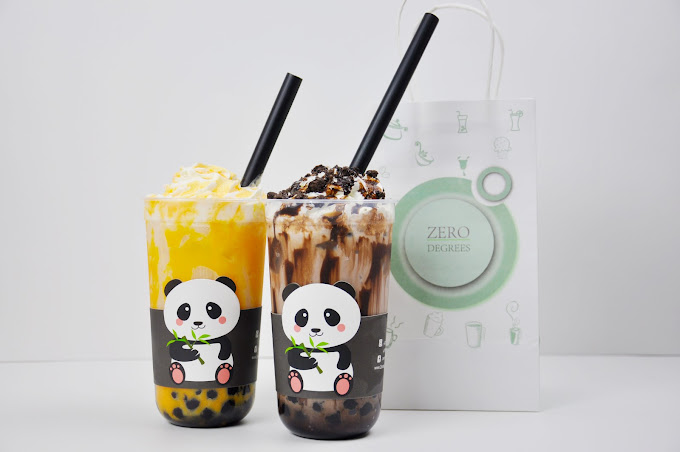
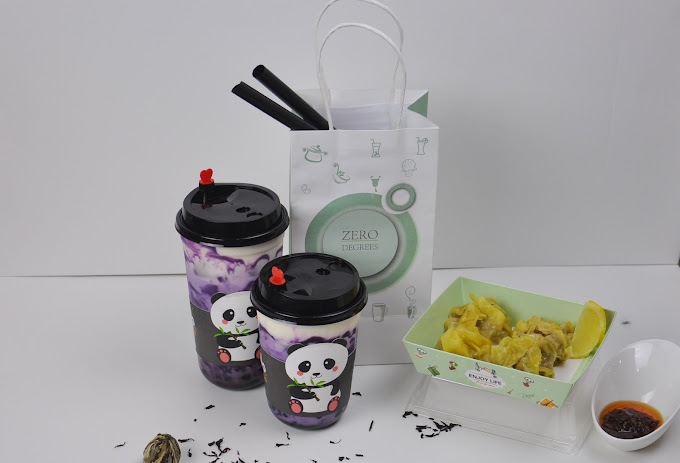
Ingedients
Bubble tea and boba are often used interchangeably, but strictly speaking, boba refers to the tapioca pearls added to the drink, while bubble tea encompasses a broader range of tea-based drinks with various toppings.
Tapioca pearls provide carbohydrates for energy but lack significant nutritional benefits. They are mostly considered empty calories.
Yes, you can make tapioca pearls at home using cassava starch. There are various recipes available online to guide you through the process.
Regular boba pearls are chewy and made from tapioca starch, while popping boba has a gel-like outer layer that bursts with juice when bitten.
Yes, bubble tea can be made vegan by using plant-based milk and ensuring the toppings and sweeteners are also vegan.
Popular flavors include classic black milk tea, taro milk tea, matcha, and fruity flavors like mango and lychee.

Origins and Defination
What is bubble tea?
Bubble tea is a tea-based drink that originated in Taiwan, typically made with tea, milk, sugar, and tapioca pearls.
Where did bubble tea originate?
Bubble tea originated in Taipei, Taiwan.
Why is it called 'bubble' tea?
The name comes from the frothy bubbles formed when the tea is shaken to mix the ingredients.
What is the difference between bubble tea and boba tea?
They are essentially the same; “boba” is another term for bubble tea.

Ingredients and Health
Are tapioca pearls gluten-free?
Yes, tapioca pearls are gluten-free.
Is bubble tea healthy?
It can be high in sugar and calories, so it’s best enjoyed in moderation.
Can bubble tea be made vegan?
Yes, by using plant-based milks and ensuring the tapioca pearls are made without animal products.
What are the different flavors of bubble tea?
Popular flavors include classic milk tea, taro, matcha, and fruit teas like mango and strawberry.

Types and Varieties
What is popping boba?
Popping boba are fruit juice-filled spheres that burst in your mouth.
What is the best way to drink bubble tea?
Shake the drink well to mix the ingredients before sipping through a wide straw.
How are tapioca pearls made?
They are made from tapioca starch extracted from cassava root.
What is the texture of tapioca pearls?
- Tapioca pearls are chewy and slightly sweet.
@2024 BY ZERO DEGREES CAFE ALL RIGHTS RESERVED.